What is a septic inspection?
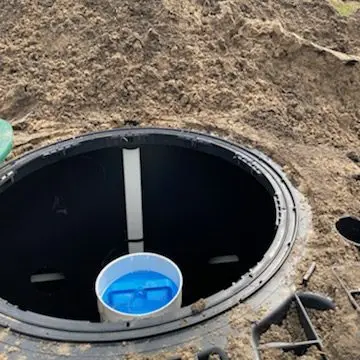
A septic inspection is a documented assessment of your septic system's condition. An inspector checks the tank, baffles, sludge levels, drain field, and sewer line to confirm everything functions safely. Discount Septic reports clear findings so buyers, sellers, and homeowners know exactly where the system stands.
Inspections range from a basic visual check to a full system evaluation that includes pumping the tank to view its interior components. The right level depends on the system's age, use, and whether a property is changing hands.
Because we are an owner-operated local team with decades of expertise, we explain what we find in plain language instead of leaving you with a confusing form.
Why do buyers and sellers need a septic inspection?
Buyers and sellers need a septic inspection because a hidden failure can cost thousands and create health hazards. A point-of-sale inspection documents the system's true condition, protects buyers from surprises, and gives sellers credible proof their system is sound before closing.
For buyers, an inspection reveals whether the tank, drain field, and sewer line can handle the household long after move-in. For sellers, a clean report removes a common sticking point from negotiations.
Many Michigan real-estate transactions include a septic contingency, so scheduling early keeps your closing on track.
- Confirms the system is safe and functional before closing
- Protects buyers from inheriting costly, hidden repairs
- Gives sellers documented proof of condition
- Helps satisfy real-estate and lender requirements
- Identifies issues while there's still time to address them
What does a septic inspection check?
A septic inspection checks the tank structure, sludge and scum levels, inlet and outlet baffles, the drain field, and the sewer line. The inspector also looks for warning signs like pooling water, odors, and slow drains. Below is a checklist of what Discount Septic evaluates during a standard inspection.
Each component tells part of the story. A cracked baffle, an overloaded drain field, or heavy sludge buildup can all point to problems that need attention before they escalate.
| Component | What we check |
|---|---|
| Septic tank | Structural integrity, cracks, water level, and signs of leakage |
| Sludge & scum | Depth of solids to gauge whether pumping is needed |
| Baffles / tees | Inlet and outlet condition to confirm proper flow |
| Drain field | Pooling water, odors, and unusually lush grass over the field |
| Sewer line | Flow from the home and signs of backups or blockage |
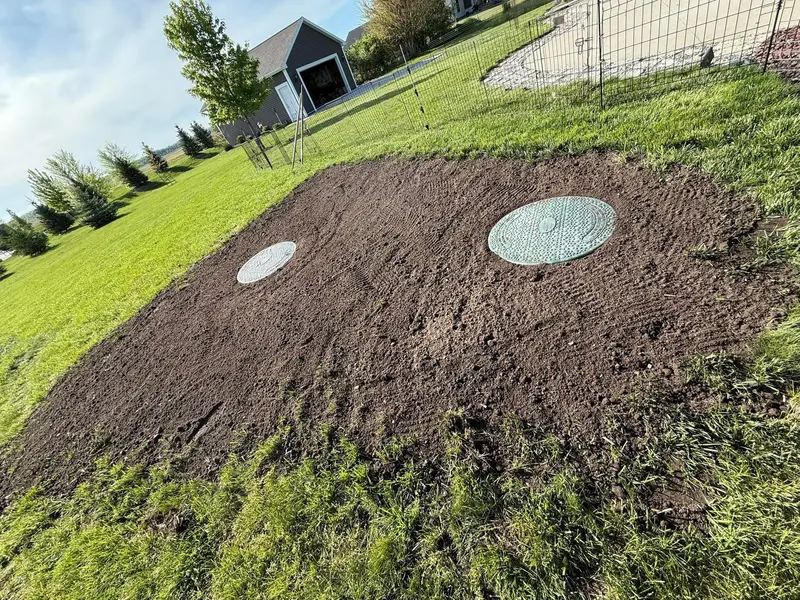
| Access & lids | Condition of risers, lids, and accessibility for service |
What's the difference between a real-estate and routine inspection?
A real-estate (point-of-sale) inspection is a detailed evaluation tied to a property transaction, often required by buyers or lenders. A routine inspection is lighter maintenance monitoring performed every few years. Both confirm the system is healthy, but point-of-sale inspections are more thorough and fully documented.
Routine inspections pair naturally with regular pumping. Since most residential tanks should be pumped every 3 to 5 years, having the system checked during that visit catches small issues early.
Real-estate inspections typically go deeper because the stakes of a sale are higher and findings must stand up to review by both parties.
| Feature | Real-estate / point-of-sale | Routine |
|---|---|---|
| Purpose | Verify condition for a home sale | Ongoing maintenance monitoring |
| Depth | Thorough full-system evaluation | Standard condition check |
| Documentation | Detailed written report | Summary of findings |
| Typical timing | Before closing | Every few years with pumping |
What warning signs mean you need an inspection now?
Schedule an inspection right away if you notice slow drains, sewage odors, pooling water or unusually lush grass over the drain field, or gurgling pipes. These are classic signs of septic trouble, and catching them early often prevents a full system failure and costly emergency repairs.
These symptoms can appear gradually, so homeowners sometimes overlook them until a backup occurs. If anything on the list below sounds familiar, it's worth a professional look.
We offer 24/7 emergency service, so if a problem turns urgent you can reach us anytime at (989) 205-6017.
- Slow drains throughout the house
- Sewage odors indoors or in the yard
- Pooling water or soggy ground near the drain field
- Unusually lush, green grass over the drain field
- Gurgling sounds in pipes or toilets
- Backups or frequent clogs
How are inspection findings reported?
Discount Septic reports inspection findings in a clear written summary that describes each component's condition and any recommended action. We walk you through the results so buyers, sellers, and homeowners understand what's working, what needs attention, and the next steps, with no confusing jargon or hidden surprises.
Our reports focus on facts: the state of the tank, baffles, drain field, and sewer line, plus whether pumping or repair is advisable. If issues surface, we explain practical options.
Pricing for any follow-up service is always clear, honest, and upfront, with no hidden fees.
Frequently Asked Questions
How long does a septic inspection take?
Do I need a septic inspection to sell my home in Michigan?
Should the tank be pumped during the inspection?
How often should I have a routine septic inspection?
What happens if the inspection finds a problem?
What areas do you serve for septic inspections?
Are you licensed and insured?
Can you do an emergency septic inspection?
Trusted Septic Resources
Homeowner guidance from authoritative sources on septic system care, maintenance, and Michigan regulations: