What are the most common septic system repairs?
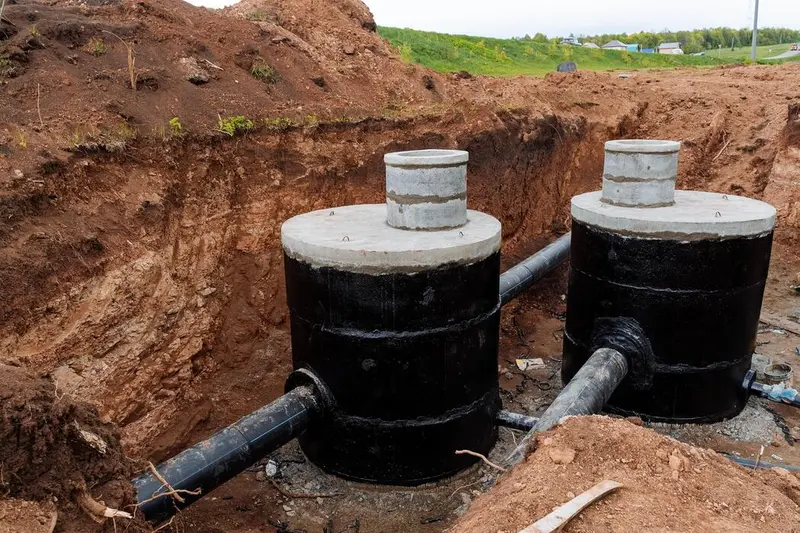
The most common septic repairs involve broken baffles, cracked or collapsed pipes, failed pumps, cracked tanks, system backups, and drain field problems. Each issue has a different cause and fix, and catching it early usually keeps the repair smaller, simpler, and less disruptive to your property.
Most septic problems trace back to a handful of worn or damaged components. A failing baffle lets solids escape into the drain field, while cracked pipes and collapsed lines block the flow between your home, tank, and field.
Pumps in systems that rely on them eventually wear out, and older concrete tanks can crack over time. Many backups start small and get worse fast, which is why prompt diagnosis matters.
| Problem | Likely cause | Typical fix |
|---|---|---|
| Slow drains or backups | Full tank, clog, or blocked line | Pump the tank, clear or replace the line |
| Sewage odors indoors or outside | Cracked pipe, failed baffle, or venting issue | Repair pipe/baffle, restore proper venting |
| Pooling water or lush grass over field | Drain field saturation or failure | Diagnose field, repair or replace affected lines |
| Gurgling pipes | Partial blockage or venting problem | Clear blockage, inspect and repair venting |
| Broken or missing baffle | Age, corrosion, or solids damage | Replace inlet/outlet baffle |
| Cracked tank | Age, settling, or ground pressure | Seal, repair, or replace the tank |
| Pump not running | Worn motor, float, or electrical fault | Repair or replace the pump/float |
What are the warning signs you need septic repair?
Watch for slow drains, sewage odors, pooling water or unusually lush grass over the drain field, and gurgling pipes. Any of these signs means your system needs attention. Acting quickly on early symptoms often prevents a backup, a health hazard, and a far larger, more expensive repair.
Your septic system usually warns you before it fails outright. The earliest clues are often subtle, like a drain that empties slower than usual or a faint odor near the tank or field.
If you notice any of these signs, call us before the problem spreads. Early diagnosis protects your home, your yard, and the environment.
- Slow drains or toilets throughout the house
- Sewage odors indoors or over the yard
- Pooling water or soggy ground near the drain field
- Unusually green, lush grass over the drain field
- Gurgling sounds in pipes or drains
- Sewage backing up into the lowest fixtures
How does the septic repair process work?
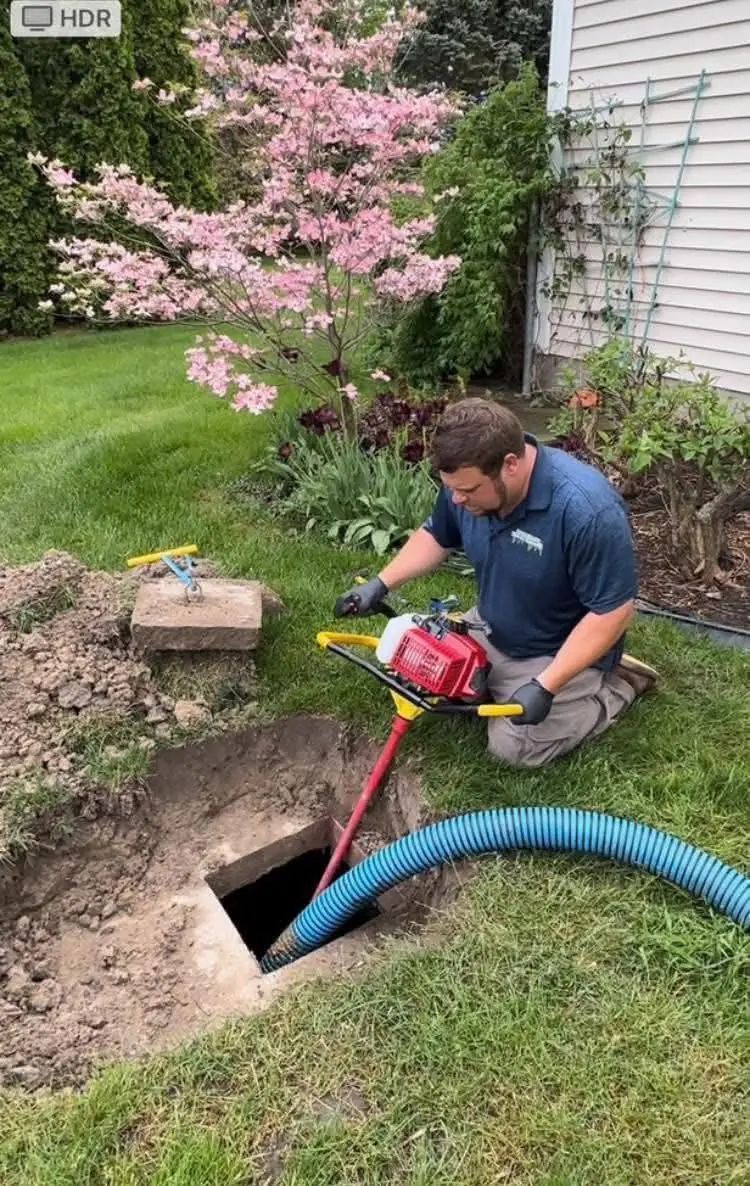
We start with a thorough diagnosis to pinpoint the exact problem, then explain what we found and the repair options with clear, upfront pricing. Once you approve, our licensed team completes the repair, verifies the system is working correctly, and leaves your site clean and restored.
Good repairs begin with accurate diagnosis. We inspect the tank, baffles, pipes, pump, and drain field to find the real cause rather than just the symptom, which keeps you from paying twice for the same issue.
After diagnosis, we walk you through what needs fixing and why, with honest pricing and no hidden fees. When excavation is required, our team handles it carefully and disposes of all waste responsibly.
- Inspection and diagnosis of the full system
- Clear explanation of findings and repair options
- Upfront pricing before any work begins
- Licensed, environmentally responsible repair
- Final testing to confirm proper operation
Do you offer emergency septic repair?
Yes. Discount Septic Service provides 24/7 emergency septic repair throughout the Great Lakes Bay Region. If you have raw sewage backing up, standing wastewater, or a complete system failure, call (989) 205-6017 right away so we can protect your home, your health, and your property from further damage.
Septic emergencies rarely happen at a convenient time. A sudden backup or overflow is both a health hazard and a risk to your home, so it should never wait until the next business day.
Our owner-operated local team knows the Mid-Michigan area and can respond quickly. The moment you spot sewage backing up or pooling, stop using water and call us.
Can a septic system be repaired instead of replaced?
In many cases, yes. Problems like broken baffles, damaged pipes, failed pumps, and localized drain field issues can often be repaired without replacing the whole system. We always diagnose first and recommend repair when it is the sound, cost-effective choice, reserving full replacement for systems that have truly reached the end of their life.
Replacing an entire septic system is a major project, so it should only happen when a repair genuinely won't solve the problem. Many failures are isolated to a single component that can be fixed on its own.
Our job is to give you an honest assessment. If a targeted repair will restore reliable service, we'll tell you, and if replacement is the better long-term value, we'll explain exactly why with upfront pricing.
How can regular maintenance prevent costly repairs?
Routine pumping and inspections are the best way to avoid expensive septic repairs. Most tanks should be pumped every 3 to 5 years, and regular inspections catch small issues before they become backups or drain field failures. Staying on schedule protects your system, your budget, and the environment.
A septic system is easy to ignore until it fails, but a little upkeep prevents most emergencies. Pumping removes the solids that otherwise escape and clog the drain field, which is one of the most expensive parts to repair.
How often you need service depends on tank size and household size. The guide below gives a general range, and we can recommend a schedule that fits your home.
| Household size | Tank size | Typical pumping interval |
|---|---|---|
| 1-2 people | 1,000 gallons | Every 4-5 years |
| 3-4 people | 1,000-1,250 gallons | Every 3-4 years |
| 5-6 people | 1,250-1,500 gallons | Every 2-3 years |
| Larger household | 1,500 gallons | Every 2-3 years |
Frequently Asked Questions
How do I know if my septic problem is an emergency?
What causes a septic system backup?
Can you repair a cracked septic tank?
Why does my drain field smell or stay wet?
How long does a septic repair take?
Will I need excavation for my septic repair?
Do you serve my area in Mid-Michigan?
Are you licensed and insured for septic repair in Michigan?
Trusted Septic Resources
Homeowner guidance from authoritative sources on septic system care, maintenance, and Michigan regulations: