When do you need a new or replacement septic system?
You need a new septic system for any new construction or home addition, and a replacement when an existing system fails beyond repair. Common failure signs include chronic backups, pooling water or lush grass over the drain field, persistent sewage odors, and drain fields that no longer absorb effluent.
New builds and vacant-lot projects require a complete system sized to the home's expected daily flow. Replacements usually follow years of service once a drain field is saturated or a tank has structurally failed.
Discount Septic evaluates whether repair or full replacement is the smarter long-term choice, so you only invest in what your property actually needs.
- New home construction or an added bedroom that increases flow
- Repeated backups after pumping and repairs
- A drain field that stays soggy or grows unusually green grass
- Persistent sewage odors near the tank or field
- An aging, cracked, or collapsed tank
What permits and tests are required before installation?
Before installing a septic system in Michigan, your local county health department requires a permit, a soil evaluation, and a percolation (perc) test. These determine how quickly soil absorbs water, the water table depth, and the correct system type and size for your lot before any excavation begins.
A soil evaluation and perc test reveal whether your ground can safely treat and disperse effluent. Results guide the system design the county will approve.
Discount Septic coordinates the soil work, submits permit paperwork, and schedules required inspections so your project stays fully compliant with local Mid-Michigan regulations.
- County health department permit application and approval
- Soil evaluation to identify soil type and water table depth
- Percolation (perc) test to measure absorption rate
- System design sized to the home and lot conditions
- Required county inspection before the system is covered
Conventional vs. alternative septic systems: which is right for you?
A conventional system uses a septic tank and gravity-fed drain field and suits lots with good soil and adequate space. Alternative systems, such as mound or pump-assisted designs, serve properties with poor soil, high water tables, or limited room. Your perc test and soil evaluation decide which fits.
Not every lot can support a standard gravity drain field. When soil drains too slowly or the water table sits high, an engineered alternative system protects groundwater and keeps you compliant.
We explain the trade-offs clearly so you understand what your soil conditions require before work starts.
| Factor | Conventional system | Alternative system |
|---|---|---|
| Best soil conditions | Well-draining soil, deep water table | Poor soil, high water table, or tight lot |
| Drain field | Gravity-fed trenches | Mound or pressure-dosed field |
| Site footprint | Needs ample open space | Works on constrained lots |
| Determined by | Soil evaluation and perc test | Soil evaluation and perc test |
What does the septic installation process look like?
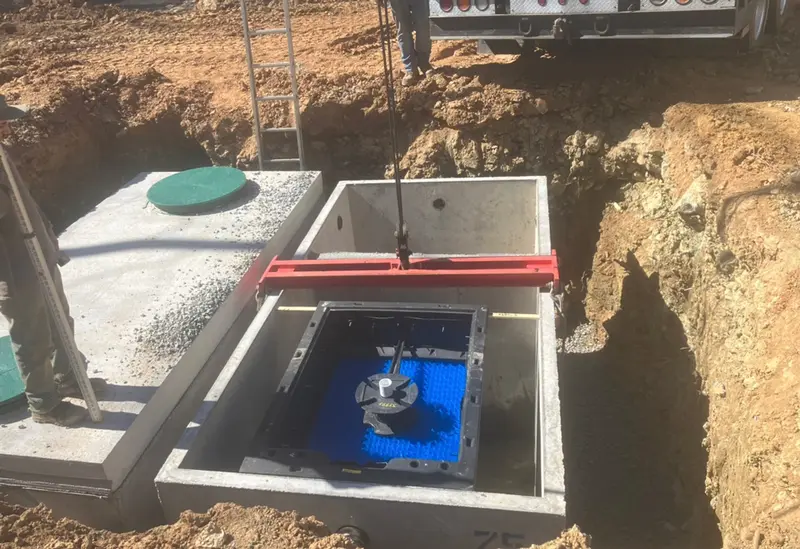
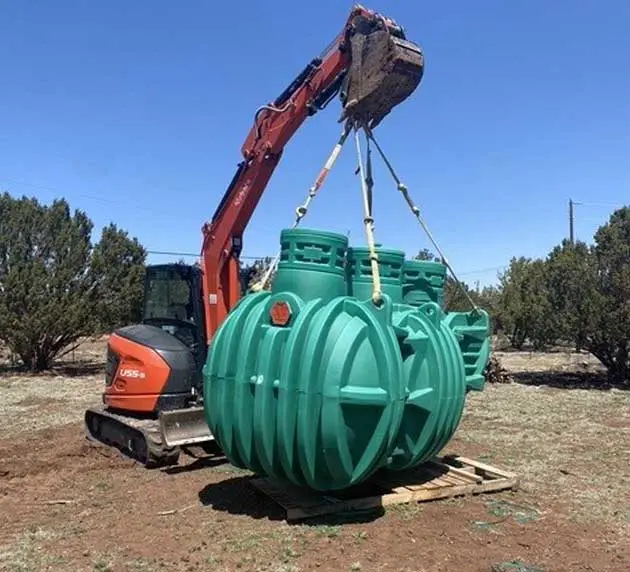
Septic installation follows a clear sequence: soil evaluation and perc test, system design, county permitting, excavation, tank and drain field placement, backfill and grading, then final county inspection. Discount Septic handles each stage with our own excavation equipment and a licensed, local crew.
Timelines depend on permit approval, soil conditions, and weather, but we keep you informed at every step and work to minimize disruption to your property.
Because we are owner-operated with decades of expertise and environmentally responsible disposal practices, your installation is done right the first time.
- Site assessment, soil evaluation, and perc test
- System design sized to your home
- County permit submission and approval
- Excavation and tank set
- Drain field construction and piping
- Backfill, grading, and final inspection
Why choose Discount Septic for your installation?
Discount Septic is a fully licensed and insured, owner-operated Michigan team with decades of expertise installing septic systems across the Great Lakes Bay Region. We handle permits, excavation, and inspections in-house, use environmentally responsible disposal, and offer clear, honest, upfront pricing with no hidden fees.
We serve Saginaw, Midland, Bay City, Bridgeport, Freeland, Gladwin, and surrounding central-Michigan communities, and we are available 24/7 for emergencies.
From the first soil test to the final inspection, you work with a local team that knows Mid-Michigan code and soil conditions. Call (989) 205-6017 to get started.
- Fully licensed and insured in Michigan
- Owner-operated local crew with decades of expertise
- Permits, soil testing, and inspections coordinated for you
- Environmentally responsible waste disposal
- Clear, upfront pricing with no hidden fees
- 24/7 emergency service
Frequently Asked Questions
How long does a septic system installation take?
Do I need a permit to install a septic system in Michigan?
What is a perc test and why does it matter?
What size septic tank will my home need?
Can you install a septic system on a lot with poor soil?
How often should a newly installed septic system be pumped?
Do you handle both new construction and replacements?
What areas do you serve for septic installation?
Trusted Septic Resources
Homeowner guidance from authoritative sources on septic system care, maintenance, and Michigan regulations: