
Why pumping matters
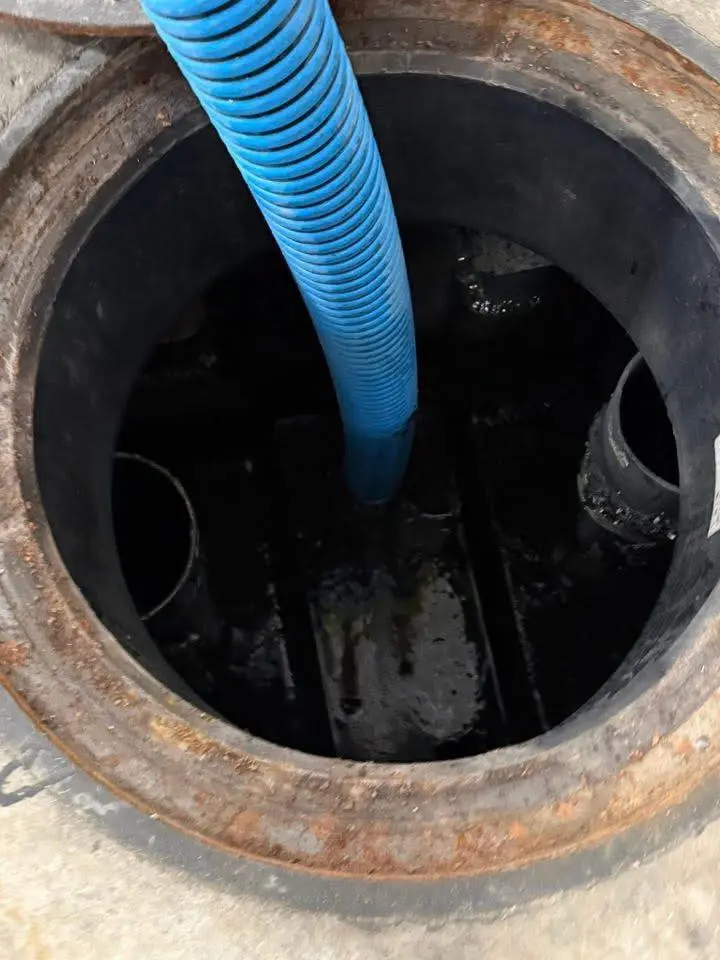
Everything that leaves your house goes into the septic tank first. Heavy solids sink to the bottom as sludge, grease and light material float to the top as scum, and the clearer liquid in the middle flows out to the drain field. Bacteria break down part of the solids, but never all of them.
If the tank is not pumped, the sludge and scum layers keep growing until solids start escaping with the liquid. Once solids reach the drain field they clog the soil, and a clogged drain field is the most expensive part of a septic system to fix. Routine pumping is cheap insurance against that.
How often should you pump?
The common guideline for a typical household is every three to five years. The right interval for your home depends on tank size, how many people live there and how much water you use. A larger family on a smaller tank may need service more often; a couple on a larger tank can often go longer.
If you are not sure when your tank was last pumped, that is a good reason to schedule service now. We can note the levels we find and help you plan the next visit.
What happens on pumping day
- We locate and uncover the tank lid or riser.
- We check the sludge and scum levels before pumping.
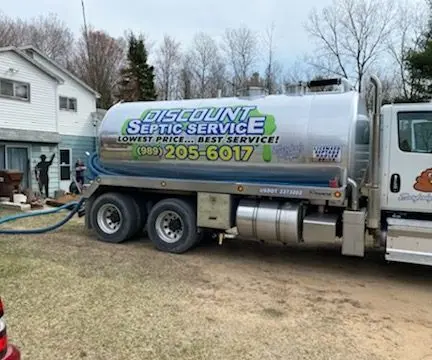
- The vacuum truck removes the full contents of the tank.
- We take a look at the tank and baffles while it is empty.
- The lid is closed up and the work area is cleaned up.
- You get a plain-language rundown of what we saw.
A typical residential pump-out takes well under a couple of hours once the lid is exposed. Buried lids, long hose runs or very full tanks take longer, which is one reason we ask about access when you request service.
Signs your tank is due
Slow drains throughout the house, gurgling pipes, sewage odors near the tank or inside, and soggy or unusually green grass over the drain field all point to a tank that may be full. Do not wait for a backup.